



The Ultimate Guide to CRM Tools for Boosting Sales in Michigan’s Growing Industries
In today’s competitive business landscape, particularly in Michigan’s rapidly evolving industries, leveraging Customer Relationship Management (CRM) tools is essential for enhancing sales performance. This comprehensive guide will explore the significance of CRM systems, their key features, and how they can drive growth in various sectors across Michigan.
Understanding CRM Tools
What is CRM?
Customer Relationship Management (CRM) refers to a technology platform that helps businesses manage interactions with current and potential customers. By centralizing customer data, CRM systems enable organizations to streamline processes, enhance customer service, and ultimately boost sales.
The Importance of CRM in Michigan
Michigan’s economy is diverse, encompassing automotive, manufacturing, healthcare, and technology sectors. As these industries grow, the need for effective customer relationship management becomes increasingly vital. CRM tools provide businesses with the ability to:
- Track Customer Interactions: Maintain a detailed history of customer interactions to personalize communication.
- Automate Sales Processes: Streamline repetitive tasks to allow sales teams to focus on closing deals.
- Analyze Customer Data: Utilize analytics to identify trends and make informed decisions.
Key Features of Effective CRM Tools
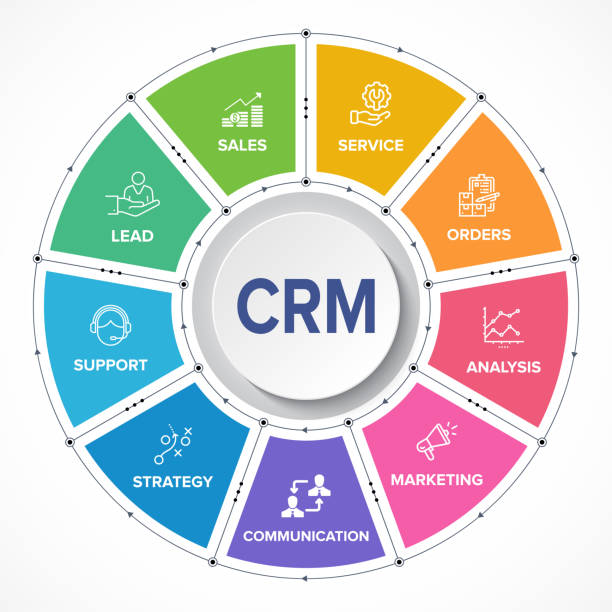
Lead Management
Effective lead management is crucial for converting prospects into customers. A robust CRM tool allows businesses to:
- Capture Leads: Automatically gather leads from various sources such as websites and social media.
- Nurture Relationships: Implement targeted follow-up strategies based on customer behavior and preferences.
- Segment Leads: Classify leads into categories for tailored marketing efforts.
Sales Automation
Sales automation features help teams increase efficiency by reducing manual tasks. Key functionalities include:
- Task Automation: Automate routine tasks such as sending follow-up emails or scheduling meetings.
- Sales Pipelines: Visualize the sales process to track progress and identify bottlenecks.
- Performance Tracking: Monitor individual and team performance through dashboards and reports.
Reporting and Analytics
Data-driven decision-making is essential for success. CRM systems offer:
- Customizable Reports: Generate reports tailored to specific metrics such as sales performance or customer engagement.
- Real-Time Analytics: Access up-to-date information to quickly adapt strategies based on market changes.
- Forecasting Tools: Predict future sales trends based on historical data.
Choosing the Right CRM Tool for Michigan Businesses
With numerous options available, selecting the right CRM tool can be challenging. Here are some considerations:
Industry-Specific Solutions
Certain CRM systems cater specifically to Michigan’s industries. For instance:
- Automotive Sector: CRMs designed for automotive businesses may include features tailored for managing dealer relationships and inventory tracking.
- Healthcare Industry: CRMs that comply with healthcare regulations can help manage patient interactions while ensuring data security.
Scalability and Customization
As businesses grow, their needs evolve. Look for CRM tools that offer:
- Customizable Features: Adapt the system to fit unique business processes.
- Scalability Options: Ensure the tool can grow alongside the business without requiring a complete overhaul.
Integration Capabilities
A successful CRM should seamlessly integrate with existing tools such as email marketing platforms, accounting software, and e-commerce systems. This ensures a unified approach to managing customer relationships.
Popular CRM Tools in Michigan
Several CRM solutions have gained traction among Michigan businesses due to their effectiveness and adaptability. Here are some notable options:
Smash CRM
Smash CRM is tailored specifically for Michigan businesses, offering features that enhance lead management, sales automation, and customer relationship management. Its user-friendly interface allows teams to easily track customer data and streamline operations.
Microsoft Dynamics 365 Sales
This enterprise-level solution provides robust capabilities at competitive pricing. Its integration with Microsoft products makes it an attractive option for businesses already using Microsoft tools.
Nutshell CRM
Nutshell offers an all-in-one growth software that combines CRM functionalities with email marketing capabilities. Its intuitive design makes it suitable for small to medium-sized enterprises looking to enhance their sales processes.
HubSpot CRM
Known for its free tier, HubSpot CRM provides essential features that help businesses manage contacts effectively while offering scalability options as companies grow.
Implementing a CRM System in Your Business
Steps for Successful Implementation
- Define Objectives: Clearly outline what you aim to achieve with the new CRM system.
- Involve Stakeholders: Engage team members from various departments to gather input on features needed.
- Choose the Right Vendor: Research vendors thoroughly to find one that aligns with your business needs.
- Train Your Team: Provide comprehensive training to ensure all users are comfortable with the new system.
- Monitor Progress: Regularly assess how well the CRM is meeting your objectives and make adjustments as necessary.
Common Challenges in Implementation
While implementing a new CRM system can yield significant benefits, businesses may face challenges such as:
- Resistance to Change: Employees may be hesitant to adopt new technologies; addressing concerns through training can mitigate this issue.
- Data Migration Issues: Ensuring that existing data transfers smoothly into the new system requires careful planning.
- Customization Complexity: Over-customizing a system can lead to complications; focus on essential features first.
Conclusion
In summary, adopting a robust CRM tool is crucial for businesses in Michigan’s growing industries seeking to enhance their sales processes and improve customer relationships. By understanding the key features of effective CRMs, choosing the right solution, and implementing it thoughtfully, organizations can position themselves for success in an increasingly competitive market.As you consider integrating a CRM system into your operations, remember that the goal is not just about managing contacts but also about fostering lasting relationships that drive growth.