

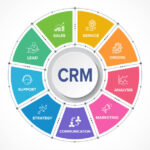


Driving sales growth is a critical objective for small businesses, especially in competitive markets like Pennsylvania. Utilizing the right Customer Relationship Management (CRM) tools can significantly enhance a business’s ability to manage customer interactions, streamline processes, and ultimately drive sales. This article explores the top CRM tools suitable for small businesses in Pennsylvania, highlighting their features, benefits, and how they can contribute to sustained growth.
Understanding CRM and Its Importance
What is CRM?
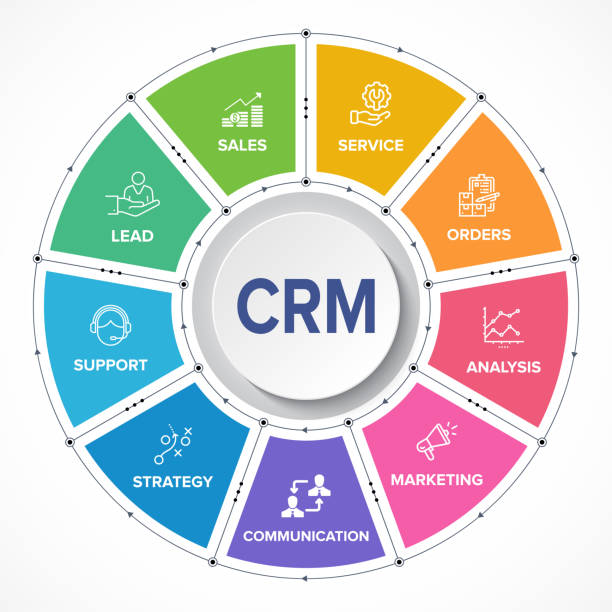
Customer Relationship Management (CRM) refers to strategies and technologies that companies use to manage interactions with potential and current customers. A CRM system helps businesses streamline processes, build customer relationships, increase sales, improve customer service, and enhance profitability.
Why Small Businesses Need CRM
For small businesses in Pennsylvania, adopting a CRM system can lead to:
- Improved Customer Relationships: By keeping track of customer interactions and preferences, businesses can provide personalized services.
- Increased Efficiency: Automation of routine tasks allows staff to focus on more strategic activities.
- Better Data Management: Centralized data storage reduces errors and improves decision-making.
- Enhanced Sales Performance: CRMs help track leads and manage sales pipelines effectively.
Top CRM Tools for Small Businesses in Pennsylvania
1. Bigin by Zoho CRM
Overview:
Bigin is designed specifically for small businesses. It offers an intuitive interface that allows users to manage customer interactions seamlessly.Key Features:
- Pipeline Management: Visualize the sales process with customizable pipelines.
- Automation: Automate repetitive tasks to save time and reduce errors.
- Integration Capabilities: Connect with various tools through Zapier for enhanced functionality.
Benefits:
Bigin is particularly user-friendly, making it easy for small business owners to adopt without extensive training. Its affordability and robust features make it an excellent choice for those looking to grow their customer base efficiently.
2. HubSpot CRM
Overview:
HubSpot CRM is a popular choice among small businesses due to its free tier and comprehensive feature set.Key Features:
- Contact Management: Easily track and manage contacts.
- Email Tracking: Monitor email opens and clicks to gauge engagement.
- Reporting Tools: Gain insights into sales performance with built-in analytics.
Benefits:
HubSpot’s user-friendly interface and extensive resources make it ideal for small businesses aiming to enhance their marketing efforts alongside sales growth.
3. Salesforce Essentials
Overview:
Salesforce Essentials provides powerful CRM capabilities tailored for small businesses looking for scalability.Key Features:
- Customizable Dashboards: Tailor your dashboard to focus on what matters most.
- Lead Management: Efficiently track leads through the sales funnel.
- Mobile Access: Access your CRM on-the-go with mobile compatibility.
Benefits:
Salesforce Essentials is robust enough to grow with your business while offering essential features that cater specifically to smaller enterprises.
4. Freshsales
Overview:
Freshsales is part of the Freshworks suite and is known for its simplicity and effectiveness in managing customer relationships.Key Features:
- AI-Based Insights: Leverage AI to gain insights into customer behavior.
- Built-in Phone & Email: Communicate directly from the platform without needing separate tools.
- Visual Sales Pipeline: Easily track where each lead stands in the sales process.
Benefits:
Freshsales offers a holistic approach to managing customer relationships, making it easier for small businesses to stay organized and focused on growth.
5. Pipedrive
Overview:
Pipedrive is a sales-focused CRM that helps small businesses manage their sales processes effectively.Key Features:
- Sales Pipeline Visualization: Clearly see where each deal stands.
- Activity Reminders: Ensure no follow-up is missed with automated reminders.
- Customizable Fields: Adapt the CRM fields to fit your business needs.
Benefits:
Pipedrive’s focus on sales makes it ideal for small businesses that prioritize closing deals over extensive marketing efforts.
Choosing the Right CRM for Your Business
When selecting a CRM tool, consider the following factors:
Budget Constraints
Small businesses often operate on tight budgets. Look for CRMs that offer free tiers or affordable pricing plans without sacrificing essential features.
Scalability
Choose a CRM that can grow with your business. As your company expands, you may need additional features or users, so opt for solutions that allow easy upgrades.
User Experience
A user-friendly interface reduces training time and increases adoption rates among team members. Ensure that the chosen CRM is intuitive enough for all users.
Integration Capabilities
Consider how well the CRM integrates with existing tools such as email marketing platforms, accounting software, or e-commerce solutions. Seamless integration can enhance productivity significantly.
Conclusion
In conclusion, leveraging a robust CRM system is vital for small businesses in Pennsylvania seeking to drive sales growth. Tools like Bigin by Zoho CRM, HubSpot, Salesforce Essentials, Freshsales, and Pipedrive each offer unique features tailored to meet the needs of smaller enterprises. By carefully evaluating these options based on budget, scalability, user experience, and integration capabilities, business owners can choose a solution that not only enhances their customer relationships but also supports their long-term growth objectives.By implementing an effective CRM strategy, small businesses can streamline operations, improve customer satisfaction, and ultimately drive revenue growth in an increasingly competitive market.Written by Domingo Hernández