



Best CRM Systems to Enhance Sales in Georgia’s Fast-Paced Industries
In today’s competitive business landscape, particularly in Georgia’s fast-paced industries, having an effective Customer Relationship Management (CRM) system is crucial. A well-implemented CRM can streamline processes, enhance customer relationships, and ultimately drive sales growth. This article explores the best CRM systems tailored for businesses in Georgia, focusing on their features, benefits, and how they can enhance sales performance.
Understanding the Importance of CRM in Sales
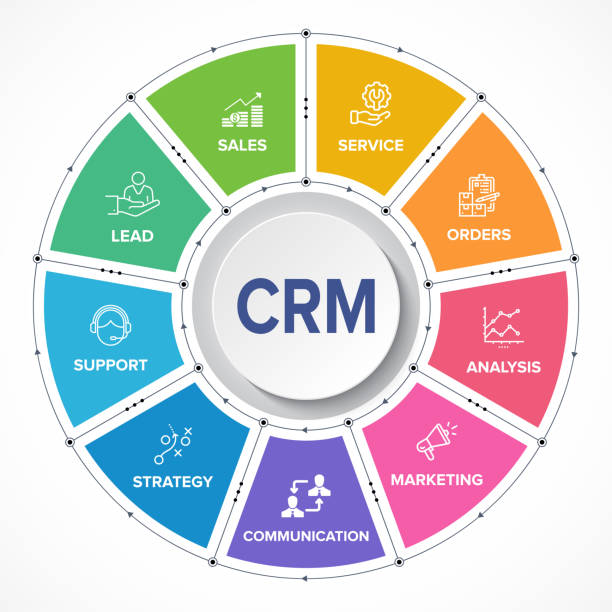
What is CRM?Customer Relationship Management (CRM) refers to strategies and technologies that companies use to manage interactions with customers and potential customers. A robust CRM system helps businesses organize customer information, track interactions, and automate various processes related to sales and marketing.Why CRM Matters in Fast-Paced IndustriesIn industries characterized by rapid change—such as technology, real estate, and healthcare—CRM systems provide essential tools for managing customer relationships effectively. They enable businesses to:
- Automate Sales Processes: Streamlining repetitive tasks allows sales teams to focus on building relationships rather than administrative work.
- Enhance Customer Insights: By collecting and analyzing customer data, businesses can tailor their offerings to meet specific needs.
- Improve Communication: A centralized platform ensures that all team members have access to the same customer information, facilitating better collaboration.
Key Features to Look for in a CRM System
When selecting a CRM system, businesses should consider several critical features that enhance usability and effectiveness:
- Lead Management: The ability to capture and nurture leads through automated workflows.
- Sales Automation: Tools that automate tasks such as follow-ups and reporting.
- Analytics and Reporting: Comprehensive dashboards that provide insights into sales performance and customer behavior.
- Integration Capabilities: The ability to connect with other tools such as email marketing platforms or e-commerce systems.
- Mobile Access: Ensuring that team members can access the CRM on-the-go enhances productivity.
Top CRM Systems for Georgia’s Industries
1. SalezShark CRM
SalezShark is a powerful CRM designed specifically for enhancing sales processes. It offers:
- Lead Management Tools: Automates lead capture from various sources.
- Sales Automation Features: Streamlines sales activities with a focus on efficiency.
- Marketing Automation: Aligns sales and marketing efforts for maximum impact.
This system is particularly beneficial for businesses looking to increase their deal closures through effective lead management.
2. Zoho CRM
Zoho CRM is known for its versatility and user-friendly interface. Key features include:
- Customizable Sales Pipelines: Tailor the sales process according to specific business needs.
- Omnichannel Communication: Engage customers through various channels seamlessly.
- Robust Analytics: Offers insights into sales trends and customer behavior.
Zoho is ideal for small to medium-sized enterprises aiming for scalability without compromising on functionality.
3. Microsoft Dynamics 365
Microsoft Dynamics 365 provides a comprehensive suite of tools for managing sales, marketing, and customer service. Notable features include:
- Integration with Microsoft Products: Seamlessly connects with tools like Outlook and Excel.
- AI Capabilities: Leverages artificial intelligence for predictive analytics.
- Customizable Dashboards: Allows users to create personalized views of their data.
This CRM is suitable for larger organizations that require extensive customization and integration capabilities.
4. Creatio CRM
Creatio stands out due to its low-code platform that allows businesses to customize their CRM experience easily. Key benefits include:
- Sales and Marketing Integration: Combines functionalities into one platform.
- Automated Workflows: Reduces manual tasks through automation.
- User-Friendly Interface: Simplifies navigation for users of all skill levels.
Creatio is particularly advantageous for businesses looking to implement tailored solutions without extensive coding knowledge.
5. Pipedrive
Pipedrive is a sales-focused CRM known for its simplicity and effectiveness. Features include:
- Visual Sales Pipeline: Provides a clear overview of the sales process.
- Email Integration: Syncs with email accounts for streamlined communication.
- Mobile App Availability: Ensures access from anywhere, enhancing flexibility.
This system is ideal for sales teams seeking a straightforward tool that prioritizes deal management.
Implementing a CRM System Successfully
Steps for Effective Implementation
- Define Objectives: Clearly outline what you want to achieve with your CRM implementation.
- Choose the Right System: Select a CRM that aligns with your business needs and industry requirements.
- Train Your Team: Provide comprehensive training to ensure all users are comfortable with the new system.
- Monitor Performance: Regularly review how the CRM is impacting your sales processes and make adjustments as needed.
Common Challenges in CRM Implementation
Businesses may face several challenges when implementing a new CRM system:
- Resistance to Change: Employees may be hesitant to adopt new technologies; addressing this through training can help ease transitions.
- Data Migration Issues: Transferring existing data into a new system can be complex; ensuring data integrity during this process is crucial.
- Customization Overload: While customization can be beneficial, too many custom features can complicate usage; finding a balance is key.
Conclusion
In Georgia’s fast-paced industries, selecting the right CRM system can significantly enhance sales performance by streamlining processes, improving customer relationships, and providing valuable insights. Systems like SalezShark, Zoho CRM, Microsoft Dynamics 365, Creatio, and Pipedrive offer unique features tailored to meet diverse business needs. By understanding the importance of these systems and implementing them effectively, organizations can position themselves for success in an increasingly competitive market.