




How CRM Software Can Skyrocket Your Sales in Florida’s Real Estate Sector
In the competitive landscape of Florida’s real estate market, leveraging technology is crucial for success. Customer Relationship Management (CRM) software has emerged as a vital tool for real estate professionals aiming to enhance their sales processes and client interactions. This article explores how CRM software can significantly boost sales in Florida’s real estate sector, focusing on its features, benefits, and implementation strategies.
Understanding CRM Software
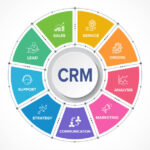
What is CRM Software?CRM software is a technological solution designed to manage a company’s interactions with current and potential customers. It utilizes data analysis about customers’ history with a company to improve business relationships, specifically focusing on customer retention and ultimately driving sales growth. In the context of real estate, CRM systems help agents manage leads, track interactions, and streamline communications.
Key Features of Real Estate CRM Software
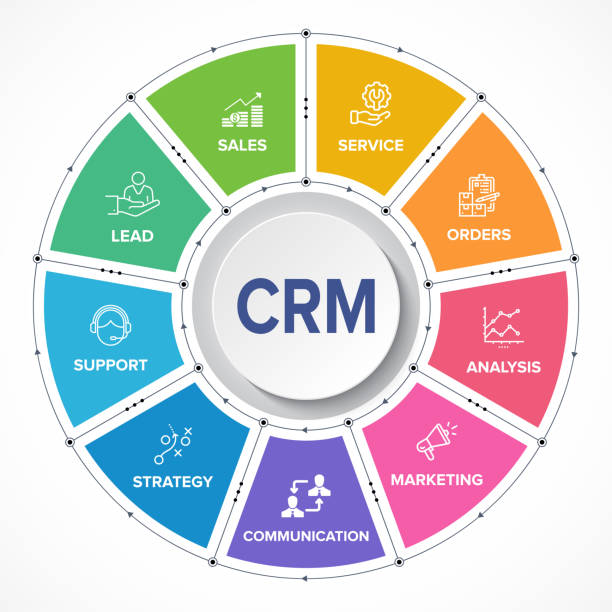
- Lead Management: CRM systems allow real estate agents to organize leads by stage in the sales funnel, ensuring that no potential client falls through the cracks. This feature often includes automated follow-up emails and tracking of all client interactions.
- Centralized Communication: A robust CRM provides a centralized hub for all communications, allowing agents to quickly access each client’s preferences, budget, and property needs. This ensures timely and personalized communication.
- Task Automation: Automating repetitive tasks such as scheduling appointments and sending reminders can save agents significant time, allowing them to focus on high-value activities like closing deals.
- Reporting and Analytics: Advanced reporting tools within CRM systems provide insights into sales performance, helping agents make data-driven decisions to optimize their strategies.
- Mobile Accessibility: Many CRM platforms offer mobile apps that enable agents to access information on-the-go, ensuring they can respond promptly to client inquiries regardless of their location.
Benefits of Using CRM Software in Florida’s Real Estate Sector
Enhanced Client Relationships
CRM software fosters better relationships with clients by providing agents with detailed insights into their preferences and past interactions. This personalized approach not only enhances client satisfaction but also increases the likelihood of referrals and repeat business.
Increased Efficiency
By automating routine tasks and centralizing information, CRM software allows real estate professionals to operate more efficiently. Agents can spend less time on administrative work and more time engaging with clients and closing deals.
Improved Lead Conversion Rates
With effective lead management features, CRM systems help agents nurture leads through the sales funnel more effectively. Automated follow-ups and reminders ensure that potential clients receive timely communication, significantly improving conversion rates.
Better Marketing Strategies
CRM software often includes marketing automation tools that enable agents to create targeted email campaigns based on client data. This capability allows for more effective marketing strategies tailored to the specific needs of different segments of the market.
Scalability
As real estate businesses grow, so do their needs. A good CRM system is scalable, allowing businesses to add features or increase user capacity without significant disruptions to operations.
Implementing CRM Software in Your Real Estate Business
Choosing the Right CRM
Selecting the appropriate CRM software is critical for maximizing its potential benefits. Consider factors such as:
- User-Friendliness: The interface should be intuitive so that all team members can easily navigate it.
- Integration Capabilities: Ensure that the CRM can integrate with other tools you use (e.g., email marketing platforms, MLS systems).
- Customization Options: Look for a system that allows customization to fit your specific business processes.
- Cost: Evaluate pricing models to find a solution that fits your budget while meeting your needs.
Training Your Team
Once you’ve chosen a CRM system, it’s essential to train your team thoroughly. Proper training ensures that all users understand how to leverage the software effectively, maximizing its impact on sales processes.
Monitoring Performance
After implementation, continuously monitor the performance of your CRM system. Use analytics tools provided by the software to assess how well it’s helping you achieve your sales goals. Regularly review data to identify areas for improvement or additional training needs.
Case Studies: Success Stories from Florida Realtors
Several real estate professionals in Florida have successfully integrated CRM systems into their operations, resulting in impressive sales growth:
- Case Study 1: A Miami-based real estate agency implemented a comprehensive CRM solution that streamlined their lead management process. Within six months, they reported a 30% increase in lead conversion rates due to improved follow-up procedures and personalized client interactions.
- Case Study 2: A Tampa realtor utilized a mobile-friendly CRM platform that allowed her to manage client communications while on the go. This flexibility led to quicker response times and ultimately increased her closing rate by 25%.
Conclusion
In conclusion, adopting a robust CRM software solution can significantly enhance sales performance in Florida’s real estate sector. By improving client relationships, increasing operational efficiency, and providing valuable insights into lead management, CRMs empower realtors to thrive in a competitive market. For those looking to elevate their business practices and achieve remarkable growth in sales, investing in a quality CRM system is an essential step forward.